

Quick answer: If you can't find a job, first figure out where your search is breaking down. No responses usually means a resume problem; interviews with no offers usually means an interview problem. Then fix that stage: tailor your resume to each posting, apply beyond the big job boards, reach out to your network for referrals, practice interviewing, and add temporary, part-time, or freelance work so you keep earning while you search. Take short breaks to avoid burnout, and keep going.
If you've sent so many applications that your browser autofills "Dear Hiring Manager" before you finish typing "Dear," you're not alone.
Saying "I can't find a job" doesn't mean something is wrong with you. Hiring is slower and more competitive than it used to be: there are more applicants per opening, more automated screening, and more listings that quietly never get filled. The good news is that most stalled searches have a few fixable causes.
This guide covers why you can't get a job right now, 15 things to do about it, how to keep money coming in while you're jobless, and a 30-day plan to get unstuck.
Why Can't I Find a Job?
Before changing everything, find the real cause. These are the most common reasons a job search stalls:
- Your resume isn't tailored. A generic resume that lists duties instead of results gets filtered out by applicant tracking systems and skimmed past by recruiters.
- You're applying to the wrong roles. Jobs well above your experience level, or far outside your field, rarely respond.
- Your search is too narrow. Relying on one or two big job boards means competing with thousands of applicants for the same listings.
- Your network isn't working for you. Many roles are filled through referrals before they're ever posted publicly.
- Your interview skills are rusty. Getting interviews but no offers usually points here.
- You have a skills gap. The role asks for a tool, certification, or experience you don't have yet.
- The market is tough. Layoffs, hiring freezes, and fewer remote roles mean more competition, and that has nothing to do with you.
- You're applying to ghost jobs or scams. Some listings are old, fake, or posted only to collect resumes.
Find where your search is breaking
Most guides skip this step, but it's the fastest way to stop guessing. Look at the last 30 applications you sent and find where people stopped responding:
- Lots of applications, almost no responses: your resume, targeting, or keywords are the problem. Start with tips 4, 5, and 6.
- Recruiter screens, but no second interviews: your pitch or salary expectations need work. Start with tips 8 and 9.
- Final rounds, but no offers: it's interview performance or fit. Start with tips 9 and 10.
- You're barely applying at all: it's burnout or uncertainty. Start with tips 1 and 15.
Fixing the right stage beats sending 200 more applications into the void. The void doesn't write back, and it's not hiring.
What to Do When You Can't Find a Job: 15 Tips
1. Take a short break (yes, really)
A long job search wears you down, and burned-out applications show it: cover letters get vague and follow-ups get skipped. Take a day or two completely off. Go for a walk, see friends, do something unrelated to work. You don't need a months-long hiatus, just enough rest to come back sharp.

2. Change your mindset from volume to quality
Applying to 50 jobs a day feels productive, but it's usually spray-and-pray. Ten well-researched, tailored applications a week will often outperform 100 generic ones. Treat your search like a project: set weekly goals for applications, outreach messages, and skill-building, then track them.
3. Keep your current job if you have one
If you're employed but unhappy, or underemployed, don't quit until you have an offer. A steady paycheck takes the pressure off, avoids a resume gap, and gives you more negotiating leverage. Searching while employed is slower, but much less stressful.
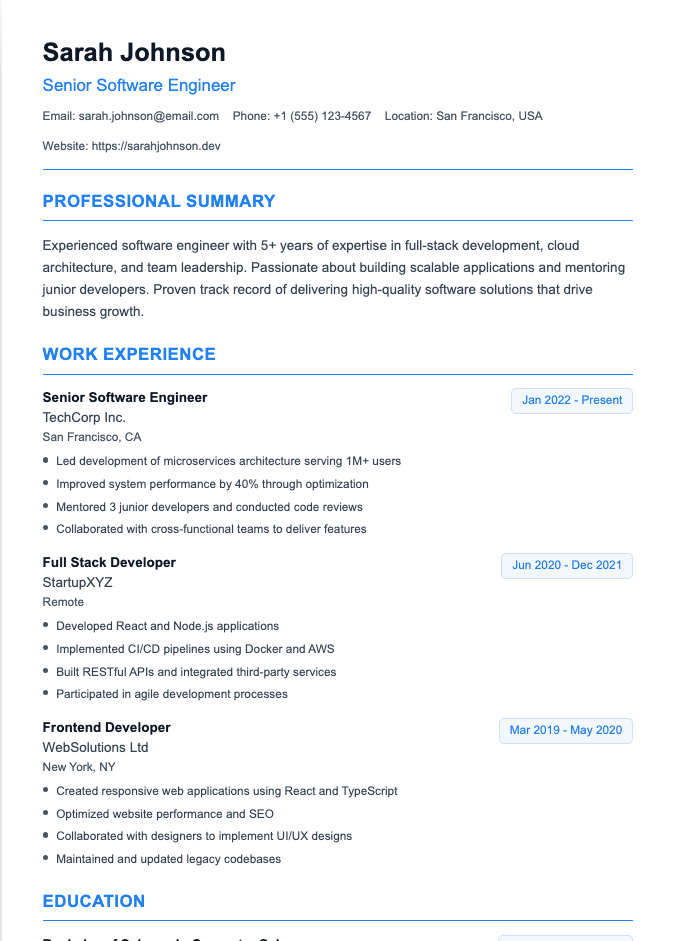
4. Rewrite your resume for every application
This is the most common fix. For each role:
- Mirror the job description's language and required skills, using resume keywords naturally
- Turn duties into results-focused bullet points with numbers where you can
- Move your most relevant experience to the top
- Keep the format simple so ATS software can read it
Then ask someone you trust, or a resume review tool, to look at it. You'll read what you meant to write; they'll read what you actually wrote.
5. Apply for roles you're actually qualified for
Aim for jobs where you meet roughly 70 to 80 percent of the requirements. Applying to senior roles with junior experience rarely works, and neither does applying to everything with "manager" in the title. Be realistic, but don't rule yourself out because you're missing one "nice to have."
6. Expand where you look
If LinkedIn and Indeed aren't working, go wider:
- Niche job boards for your industry (see our list of the best job search sites)
- Company career pages, which often post roles before job boards do
- Recruiters and staffing agencies in your field
- Local businesses, chambers of commerce, and community job fairs
- Government jobs, which hire steadily in most economies
You can also go after the hidden job market by contacting companies directly, even when they have nothing posted.
7. Network your heart out
Referrals are one of the most effective ways to get hired, because a recommendation from a current employee jumps you past the resume pile. Start with people who already know you:
- Former coworkers and managers
- Classmates and alumni groups
- Friends and family (tell them exactly what you're looking for)
- Professional associations, meetups, and online communities
Keep the ask small. "Would you have 15 minutes to tell me what it's like working at your company?" works far better than "Can you get me a job?"

8. Clean up your online presence
Recruiters will look you up. Update your LinkedIn with a clear headline, a recent photo, and your top skills, and switch on "Open to Work" (you can show it to recruiters only). Then search your own name and make personal social accounts private, or at least keep them free of anything you wouldn't say in an interview.
9. Practice interviewing out loud
If you're getting interviews but no offers, this is your bottleneck. Prepare stories for the most common interview questions using the STAR method, research every company before you speak with them, and rehearse out loud, not just in your head. A mock interview with AI feedback shows you exactly where your answers fall flat. Afterward, always send a follow-up email.
10. Ask for feedback
When you're rejected after an interview, reply politely and ask: "Is there anything I could have done to be a stronger candidate?" Many companies won't answer, but the ones that do give you gold. You can also ask a mentor, career center, or former manager to do a practice interview with you.
11. Close your skills gap
Look at five postings for the job you want and list the requirements you keep missing. Then close the gap with:
- Free or low-cost online courses
- Industry certifications
- Small portfolio projects that prove you can do the work
- A degree or bootcamp, but only if the return on investment makes sense
Focus on high-paying, in-demand skills employers are actively hiring for.
12. Take temporary, part-time, or contract work
Temp agencies, contract roles, and part-time jobs pay the bills, keep your resume current, and sometimes turn into full-time offers. You'll have better luck if you're flexible about hours and the type of work you'll take. Temp work isn't a step back; it's a paid audition.
13. Try freelancing or the gig economy
Freelance platforms, rideshare and delivery apps, tutoring, pet sitting, and task-based work can all bring in income while you search. Freelancing in your field (writing, design, bookkeeping, coding) also gives you fresh, relevant experience to put on your resume.
14. Volunteer
Volunteering builds your network, fills a resume gap, and lets you try new skills with low risk. Nonprofits often need help with marketing, admin, events, and tech, which are all transferable skills.
15. Consider a pivot or a move
If you've been searching for months in one field or one city, it may be time to widen the lens:
- Adjacent roles or industries where your skills transfer (see our guide to a career change at 40, which works at any age)
- Recession-proof jobs in healthcare, education, utilities, and government
- Skilled trades, many of which are short on workers (here's a list of good blue-collar jobs)
- Relocating, or widening your commute radius, to areas with more openings or a lower cost of living
- A lower-level role at a company you'd love to grow with
What to Do When You Can't Find a Job and Need Money
If your savings are running low, deal with money first. Financial panic makes it harder to search well.
- File for unemployment benefits right away if you lost your job through no fault of your own. In the US, apply through your state's unemployment website; most states require you to keep looking for work to stay eligible.
- Make a bare-bones budget. List essential costs (housing, food, utilities, insurance, minimum debt payments) and pause everything else.
- Call your lenders and landlord early. Many offer hardship plans, deferments, or payment arrangements, but only if you ask before you miss a payment.
- Check for assistance programs, such as food assistance, health coverage, and local workforce centers, which often provide free career coaching and training.
- Get quick income through temp agencies, gig apps, seasonal work, or selling things you don't use.
For more ideas on getting hired quickly, see our guide on how to get a job fast.
How to Cope When You Can't Find a Job
Long-term unemployment can hurt your confidence and your mental health. This is normal, and it isn't a judgment on your worth.
- Keep a routine. Wake up at a set time, block out "work hours" for your search, and stop at a set time.
- Separate effort from outcome. You control applications, outreach, and preparation. You don't control hiring freezes.
- Track small wins. A reply, a coffee chat, or a first-round interview is progress.
- Stay connected. Isolation makes everything feel worse. Talk to friends, join a job-seeker group, or find an accountability partner.
- Move your body and get outside, even for 20 minutes a day.
- Get help if you need it. If you feel hopeless or the stress is overwhelming, talk to a doctor or counselor. In the US, you can call or text 988 for free, confidential support, 24/7.
Your 30-Day Job Search Reset Plan
If you're overwhelmed, follow this plan for one month.

Week 1: Diagnose and rebuild
- Take one or two days fully off
- Review your last 30 applications using the checklist above
- Pick a clear target: one or two job titles and the industries you want
- Rebuild your resume and LinkedIn around that target
Week 2: Widen your reach
- Make a list of 25 target companies
- Message 10 people in your network
- Apply to 8 to 10 tailored roles from niche boards and career pages
- Sign up with one or two temp or staffing agencies if you need income
Week 3: Sharpen your interviews
- Write five STAR stories
- Do at least two mock interviews
- Start one short course or certification for your top skills gap
- Follow up on every application from Week 2
Week 4: Review and adjust
- Count responses, screens, and interviews
- Double down on the channels that worked and drop the ones that didn't
- Decide whether you need a pivot, a wider location, or temporary work
- Plan the next 30 days
Frequently Asked Questions
Why can't I find a job even though I'm applying everywhere?
"Applying everywhere" is often the problem. Generic applications to roles that don't match your experience get filtered out quickly. Apply to fewer roles, tailor each resume, and combine online applications with networking and referrals.
Why is it so hard to find a job right now?
Hiring has slowed in many industries, layoffs have increased competition, remote roles are scarcer, and automated screening means more qualified people get filtered out. It's a tougher market, but targeted applications and referrals still work.
Is it normal to not find a job for months?
Yes. A job search commonly takes anywhere from a few weeks to several months, and longer for senior roles or in a slow market. If you've been searching for three months or more with few responses, it's a sign to change your approach, not to give up.
What do you do when you can't find a job and need money?
File for unemployment benefits if you're eligible, cut back to essential expenses, ask lenders about hardship plans, and pick up temp, part-time, gig, or freelance work while you keep searching.
What should I do if I can't find a job in my field?
Look at adjacent roles where your skills transfer, take contract or temp work in your field to stay current, add a certification to close any gaps, and network directly with people in the industry. Sometimes a step sideways leads back to your field later.
Why is it so hard to find a job even with a degree?
Many employers care more about experience and proven skills than degrees alone, especially for entry-level roles. Internships, projects, volunteering, and relevant part-time work help bridge the gap between your degree and the job requirements.
How do I stay motivated when I can't find a job?
Keep a daily routine, set weekly goals you control (outreach messages, applications, practice), track small wins, take regular breaks, and stay connected with people. Motivation follows progress, so focus on small steps.
How do I explain a long job search gap in an interview?
Be brief and honest, then focus on what you did during the time: courses, freelance work, volunteering, or caregiving. Our guide on how to explain employment gaps includes example answers.
Restart Your Search With a Better Resume
If your applications keep disappearing, your resume is the first thing to fix. Our Resume Builder helps you create a tailored, ATS-friendly resume for each job in minutes, so you can spend less time formatting and more time getting interviews.